Exploring the Benefits of Swiss Screw Machining in Thread Rolling
Understanding Swiss Screw Machining and Its Role in Thread Rolling
What is Swiss Screw Machining?
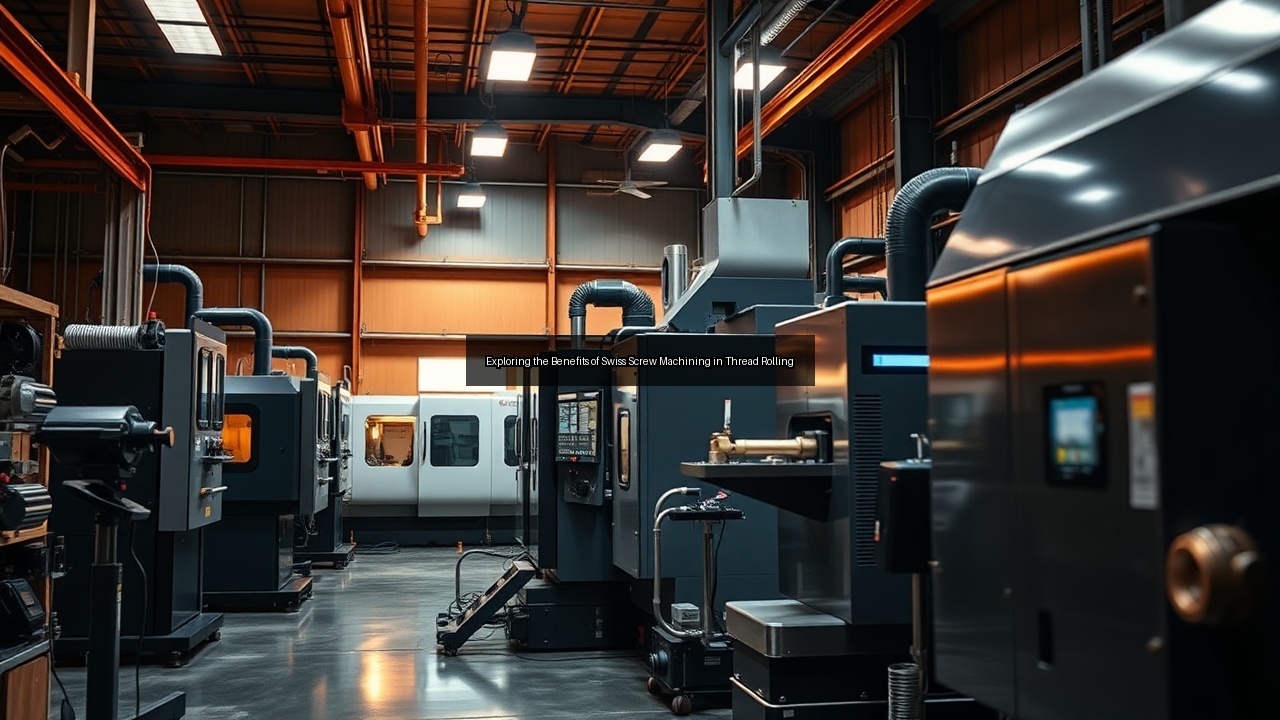
Swiss screw machining is a highly efficient manufacturing process that produces precision parts, particularly small components made from metals. The technique utilizes a sliding headstock and a fixed workpiece, allowing for intricate machining operations. This method excels in creating complex geometries and fine details, making it ideal for applications that require high precision. Manufacturers often employ Swiss screw machining to produce components like fasteners, screws, and various threaded elements. By leveraging CNC technology, Swiss screw machining delivers exceptional accuracy and repeatability, which are crucial for meeting stringent industry standards.
The Mechanics of Thread Rolling
Thread rolling involves the deformation of metal to create threads without removing material. The process uses cylindrical dies that press against the workpiece, forming threads through compression. This method increases the tensile strength of the threads and enhances surface finish, reducing the likelihood of defects. Thread rolling services are essential in producing high-quality fasteners and other threaded components. The mechanics of thread rolling allow for rapid production cycles, ensuring that manufacturers can meet high demand while maintaining quality. The synergy between Swiss screw machining and thread rolling results in superior threaded products, optimized for various applications.
Comparison: Swiss Screw Machining vs. Traditional Machining Methods
Swiss screw machining stands out when compared to traditional machining methods such as milling or turning. Traditional techniques often involve removing material to shape a part, which can lead to waste and longer lead times. In contrast, Swiss screw machining minimizes waste by utilizing a continuous cutting process. This efficiency translates into lower production costs and faster turnaround times. Additionally, the precision achieved through Swiss screw machining often surpasses that of traditional methods, making it a preferred choice for industries where accuracy is paramount. The integration of CNC technology further enhances its capabilities, allowing for more complex designs and greater flexibility in manufacturing.
Benefits of Swiss Screw Machining for Thread Rolling Services
Precision and Accuracy in Manufacturing
Precision and accuracy remain the cornerstones of modern manufacturing, particularly in industries that rely on thread rolling services. Swiss screw machining guarantees tight tolerances and consistent quality, which is crucial for components that must meet rigorous specifications. Whether producing fasteners for the aerospace sector or screws for military applications, the accuracy of Swiss screw machining minimizes the risk of defects and enhances overall product reliability. Manufacturers benefit from reduced rework and inspection costs, as the high precision often leads to fewer errors. This level of accuracy not only satisfies customer demands but also reinforces the reputation of manufacturers committed to quality.
Efficiency in Production Processes
Efficiency plays a vital role in the competitiveness of manufacturing operations. Swiss screw machining streamlines production by allowing for the simultaneous machining of multiple features on a component. This capability significantly reduces the time required for setups and tool changes, resulting in shorter cycle times. The integration of thread rolling with Swiss screw machining further enhances productivity since it allows for quick and consistent thread formation. Manufacturers can respond to market demands rapidly, ensuring they maintain a competitive edge. The efficient use of materials also contributes to cost savings, making Swiss screw machining an attractive option for businesses focused on optimizing their production processes.
Versatility Across Industries: Military, Aerospace, and Oil & Gas
Swiss screw machining and thread rolling services exhibit remarkable versatility, catering to various industries, including military, aerospace, and oil and gas. In the military sector, precision components are essential for ensuring the reliability of equipment and weaponry. Aerospace applications demand stringent quality standards, where even the slightest deviation can lead to catastrophic failures. Swiss screw machining meets these demands by producing components that withstand extreme conditions. The oil and gas industry also benefits from the strength and durability of threaded fasteners manufactured through these processes, which must endure high pressures and corrosive environments. This versatility positions Swiss screw machining as a critical manufacturing solution across multiple sectors.
Applications of Thread Rolling in Various Industries
Thread Rolling in Fasteners Manufacturing
Fasteners represent one of the most significant applications of thread rolling services. This process enhances the production of bolts, nuts, screws, and other fastening elements, ensuring they meet the necessary strength and durability requirements. Thread rolling creates high-quality threads that provide better engagement and resistance to wear, essential for maintaining structural integrity in various applications. The ability to produce large quantities of fasteners quickly and efficiently allows manufacturers to keep pace with industry demands. Furthermore, the seamless integration of Swiss screw machining enhances the overall quality of fasteners, making them ideal for critical applications in construction and machinery.
The Role of Thread Rolling in CNC and EDM Machining
Thread rolling complements CNC and EDM machining by providing an efficient means of creating threads on precision components. While CNC machining excels at producing complex shapes and designs, thread rolling delivers superior thread quality and strength. Manufacturers often combine these processes to leverage their respective advantages, resulting in high-performance components. EDM machining, particularly wire EDM, offers precision cutting capabilities, while thread rolling ensures the threads meet stringent specifications. This synergy helps manufacturers achieve a comprehensive solution for their machining needs, resulting in enhanced product performance and reliability across various industries.
Innovations in Thread Rolling Technology and Their Impact on Inventory Management
Innovations in thread rolling technology have transformed production capabilities and inventory management. Advanced machines now feature automated processes, allowing for real-time monitoring and adjustments during production. This level of automation not only improves efficiency but also ensures consistent quality across batches. Enhanced inventory management practices stem from the ability to produce high-quality threaded components on demand, reducing the need for excessive stockpiling. Manufacturers can adopt just-in-time inventory strategies, minimizing waste and optimizing storage costs. As technology continues to evolve, thread rolling services will play an increasingly crucial role in modern manufacturing logistics.
Choosing the Right Thread Rolling Services Provider
Key Factors to Consider in Thread Rolling Services
Selecting the right provider for thread rolling services involves evaluating several key factors. First, assess the provider's experience and expertise in the industry. A manufacturer with a proven track record in producing high-quality threaded components will likely meet your specific needs. Additionally, consider the range of services offered, including customization options and the ability to handle various materials. Understanding their technology and machinery capabilities can also provide insights into the quality and efficiency of their production processes. Finally, customer service and support play a crucial role in establishing a long-term partnership, ensuring that your needs are met promptly and effectively.
The Importance of Quality Control in Thread Manufacturing
Quality control remains a fundamental aspect of thread manufacturing, directly affecting product performance and reliability. Implementing robust quality assurance practices helps identify defects early in the production process, reducing the risk of delivering subpar components. A reputable thread rolling services provider will have stringent quality control measures in place, including regular inspections and testing of finished products. Certification to industry standards can further demonstrate a provider's commitment to quality. By prioritizing quality control, manufacturers can ensure that their threaded components meet or exceed customer expectations, fostering trust and repeat business.
How Wisconsin Manufacturers Lead in Swiss Screw Machining
Wisconsin has emerged as a hub for Swiss screw machining, boasting several manufacturers that excel in this technology. The state’s focus on precision manufacturing, coupled with a skilled workforce, contributes to its leadership in the industry. Local manufacturers often invest in the latest technology and machinery, allowing them to produce high-quality threaded components across various sectors. Their commitment to innovation and quality positions Wisconsin manufacturers as preferred partners for businesses seeking reliable and efficient thread rolling services. As the demand for precision components continues to grow, Wisconsin remains at the forefront of Swiss screw machining, setting standards for excellence in the marketplace.
See Also
- The Role of Thread Rolling in Modern CNC Machining Processes
- Exploring the Benefits of Thread Rolling in Aerospace Applications
- How Thread Rolling Services Revolutionize Metal Fabrication in Wisconsin
- A Comprehensive Guide to Thread Rolling and Its Applications
- Why Choose Thread Rolling Services for Your Fastener Needs