Explore Innovative Solutions for Reusing and Recycling Plastics in Your Community
Understanding the Impact of Plastic Waste in Your Community
The Scale of Plastic Pollution
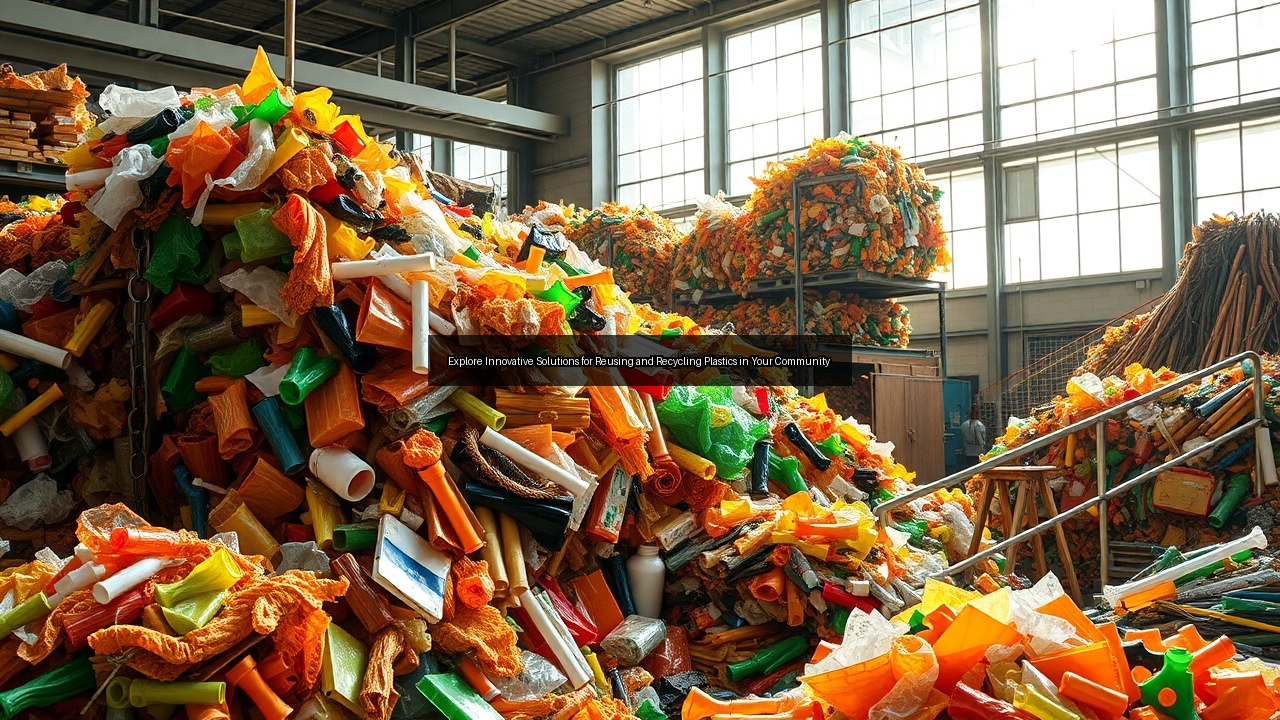
Plastic pollution builds up rapidly in neighborhoods across America when residents discard items without thought for long-term consequences. Annual production of polymers exceeds 300 million tons, with much of it ending up as trash in landfills or waterways. Communities searching plastics near me discover local hotspots where plastic bags and bottles accumulate faster than collection crews can clear them. This accumulation harms wildlife and clogs drainage systems during storms. Effective tracking starts with understanding production volumes and disposal rates, which reveal why immediate action on recycling plastics matters now more than ever.
Global polymer output has doubled since the early 2000s, driven by packaging demand and consumer convenience. In the United States alone, roughly 40 million tons of plastic enter the waste stream each year, yet only about 8 percent is recovered for new uses. The remainder contributes to microplastic formation that infiltrates food chains, from plankton to larger marine species and ultimately human diets. Coastal and inland communities alike experience clogged storm drains that exacerbate flooding, while roadside litter degrades scenic areas and reduces property values. Monitoring apps and municipal dashboards now allow residents to map accumulation sites in real time, turning individual awareness into collective data that guides targeted cleanups and policy changes.
Types of Plastics and Their Environmental Impact
Different polymers behave uniquely once discarded. PET and pete plastics from bottles break down slowly and release micro-particles into soil and water. Polycarbonate and lexan polycarbonate materials used in durable goods resist degradation for decades, increasing persistence in the environment. Plastic bags made from thinner films often escape waste management systems and travel into oceans. Recognizing these distinctions helps residents separate materials properly before they reach recycling facilities. Proper sorting boosts recovery rates and reduces the overall footprint of plastic waste in everyday settings.
High-density polyethylene (HDPE) and low-density polyethylene (LDPE) commonly appear in milk jugs and squeeze bottles; both fragment into persistent fragments that adsorb toxins and travel long distances via wind or water currents. Polyvinyl chloride (PVC) from pipes and packaging releases chlorine compounds during slow breakdown, posing additional soil and groundwater risks. Expanded polystyrene foam used in food containers and insulation dissolves into tiny beads that wildlife mistake for food. Understanding resin identification codes printed on items empowers households to route materials correctly, preventing contamination that can shut down entire recycling batches and increase processing costs for facilities.
Plastic Waste in Santa Barbara County
Santa Barbara County faces specific challenges from coastal tourism and residential growth that generate steady streams of plastic waste. Local audits show elevated levels of extruded plastics and single-use items along beaches and in residential trash. Santa Barbara residents actively seek plastic recycling options to divert material from nearby landfills. County programs emphasize resource recovery to turn discarded polymers into new feedstock. Tracking plastic pollution here highlights how geography influences waste patterns and underscores the need for tailored reuse strategies that fit regional conditions.
With over 450,000 residents and millions of annual visitors drawn to the coastline, the county contends with seasonal spikes in single-use packaging that overwhelm standard collection routes. Beach audits conducted by local nonprofits consistently rank plastic fragments among the top three debris categories collected during volunteer events. The Mediterranean climate reduces natural breakdown rates for many polymers, while prevailing winds carry lightweight films from urban centers toward marine sanctuaries. County-funded pilot programs now test smart bins equipped with sensors to optimize pickup frequency and educational signage in multiple languages to serve the diverse population.
Innovative Recycling Technologies and Methods
Chemical Recycling: A Game Changer
Chemical recycling breaks polymers back into basic molecules through advanced processes that handle mixed or contaminated plastics traditional methods reject. These technologies convert plastic waste into fuels or virgin-grade resins suitable for new products. Facilities employing chemical methods expand capacity in regions where mechanical sorting falls short. Communities benefit when local plants adopt these approaches because they increase overall recycling rates and lower reliance on fresh petroleum sources. Adoption continues to grow as costs decline and output quality improves.
Pyrolysis and gasification techniques heat plastics in oxygen-limited environments to produce synthetic crude oil or syngas that refineries can upgrade into new resins or fuels. Depolymerization targets specific chains such as PET to recover pure monomers for repolymerization. These processes tolerate food residues and multi-layer films that mechanical recyclers reject, potentially raising national recovery rates above 30 percent. Early adopters in California report lower carbon footprints compared with virgin production when renewable energy powers the reactors, though energy intensity remains a focus of ongoing engineering improvements.
Extruded Plastics and Their Recyclability
Extruded plastics appear in pipes, sheets, and packaging profiles that require specialized handling during recycling. Their uniform structure allows efficient reprocessing into similar items or alternative products when collected separately from other waste streams. Manufacturers increasingly design extruded components with recyclability in mind, using compatible additives that preserve material integrity. Local programs that accept these items expand options for residents and businesses looking to reduce landfill contributions. Proper identification at the source improves throughput at recycling centers.
Because extruded profiles often contain consistent polymer grades and minimal colorants, they yield high-quality recyclate suitable for construction lumber, decking, or new piping. Some fabricators grind post-consumer PVC window frames into pellets for injection molding of drainage components. Separate collection streams prevent cross-contamination with flexible films that can jam equipment. Partnerships between county public works departments and regional processors have begun accepting clean construction scraps at designated drop-off sites, diverting several hundred tons annually from local landfills.
Resource Recovery and Energy from Plastic Waste
Resource recovery captures energy stored in plastic waste through controlled incineration or gasification that generates electricity or heat. Modern plants equipped with emission controls turn non-recyclable polymers into usable power while minimizing environmental releases. This method complements mechanical recycling by handling residues that would otherwise occupy landfill space. Communities gain dual benefits when energy production offsets fossil fuel use. Integration with existing waste management infrastructure makes the approach practical for mid-sized regions seeking comprehensive solutions.
Waste-to-energy facilities in California operate under strict dioxin and particulate limits enforced by air quality districts. Plastics, with their high calorific value, contribute roughly 15–20 percent of the energy output in mixed municipal waste streams. Advanced scrubbers and selective catalytic reduction systems capture acid gases and nitrogen oxides before release. While not a substitute for source reduction, energy recovery reduces methane emissions from landfills and provides baseload renewable power that supports grid stability during peak demand periods.
Creative Reuse Strategies for Plastics
DIY Projects with Recycled Plastics
Residents transform discarded plastic items into functional household goods through straightforward DIY methods. Clean PET bottles become planters or storage containers while polycarbonate scraps serve as protective barriers in workshops. These projects divert material from trash and foster hands-on understanding of material properties. Online tutorials and local workshops demonstrate safe cutting and joining techniques that maintain structural integrity. Success depends on consistent collection habits that keep usable pieces out of the waste stream.
Additional projects include weaving HDPE shopping bags into durable tote bags or rugs, and converting rigid plastic lids into mosaic tiles for garden paths. Safety considerations include wearing eye protection when cutting thick sheets and ensuring adequate ventilation when melting plastics for reshaping. Community makerspaces in Santa Barbara now host monthly workshops that supply tools and guidance, turning casual hobbyists into skilled upcyclers who share finished goods at local swap meets.
Community Programs for Plastic Reuse
Organized community programs collect specific plastics for redistribution to artists, builders, and schools. Santa Barbara County initiatives pair volunteers with collection points where clean plastic bags and containers accumulate for later creative application. Participants learn sorting protocols that improve material quality for reuse. These efforts build social connections while addressing plastic pollution at the neighborhood level. Regular events keep momentum high and demonstrate measurable reductions in local trash volumes.
Collaboration with Local Plastic Fabrication Businesses
Partnerships between residents and plastic fabrication businesses convert collected waste into custom products through plastic fabrication nearby services. Shops equipped for plastic machining near me accept post-consumer polymers and produce signage, furniture components, or replacement parts. Engineered plastics near me searches often lead to these same fabricators who maintain stocks of recycled feedstock. Collaboration expands markets for recovered material and supports local economies. Clear communication on acceptable grades ensures efficient processing and consistent output quality.
How to Find Recycling and Reuse Resources Near You
Finding Recycling Facilities: Plastics Near Me
Residents locate recycling facilities by entering plastics near me into search engines, which surfaces nearby drop-off sites and buy-back centers. Results frequently include engineered plastics near me listings that handle specialty polymers beyond standard curbside programs. Maps and directories update regularly to reflect new capacity for plastic recycling. Verification of accepted materials prevents contamination and wasted trips. Consistent use of these tools keeps participation rates high across neighborhoods.
Engaging Local Waste Management Services
Direct contact with waste management providers clarifies collection schedules and preparation requirements for different plastic types. Many services now accept a broader range of polymers including PET and polycarbonate when rinsed and sorted. Santa Barbara programs offer dedicated hotlines for questions about plastic bags and extruded items. Engagement improves compliance and increases diversion percentages reported annually. Updated guidelines from these providers reflect advances in sorting technology.
Exploring Engineered Plastics and Their Uses
Engineered plastics near me queries reveal suppliers and fabricators working with high-performance materials such as lexan polycarbonate for construction and industrial applications. These resources extend reuse possibilities beyond consumer packaging into durable goods. Plastic products nearby often incorporate recycled content that meets performance standards previously reserved for virgin polymers. Exploration of these options supports circular supply chains. Local directories help match specific waste streams with appropriate end users.
The Role of the Plastics Industry in Sustainable Practices
The Future of Recycled Plastics
The plastics industry invests heavily in closed-loop systems that return recycled plastics to original applications. Advances in sorting and decontamination raise quality levels so that recycled content competes directly with new polymer production. Market forecasts project continued expansion as brands commit to minimum recycled content targets. Communities benefit when these commitments translate into expanded collection infrastructure. Long-term success hinges on steady supply of clean feedstock from households and businesses.
Innovative Products from Recycled Materials
Manufacturers create new items from recycled plastics that range from outdoor decking to automotive components. These products demonstrate performance equal to conventional alternatives while reducing demand for raw polymers. Plastic fabrication businesses highlight such offerings to customers searching plastic products nearby. Innovation continues as research refines additive packages that stabilize recycled material during reprocessing. Wider adoption lowers overall environmental impact across supply chains.
Promoting Awareness and Education on Plastic Recycling
Industry-led campaigns educate the public on proper sorting and the value of plastic recycling. Workshops and school programs illustrate how everyday choices affect recycling outcomes and resource recovery potential. Santa Barbara County partners with trade groups to deliver localized messaging that addresses regional waste streams. Sustained awareness efforts increase participation and reduce contamination rates at facilities. Education remains essential as new technologies and product designs enter the market.