Streamlining Inventory Management with Reliable Thread Rolling Services
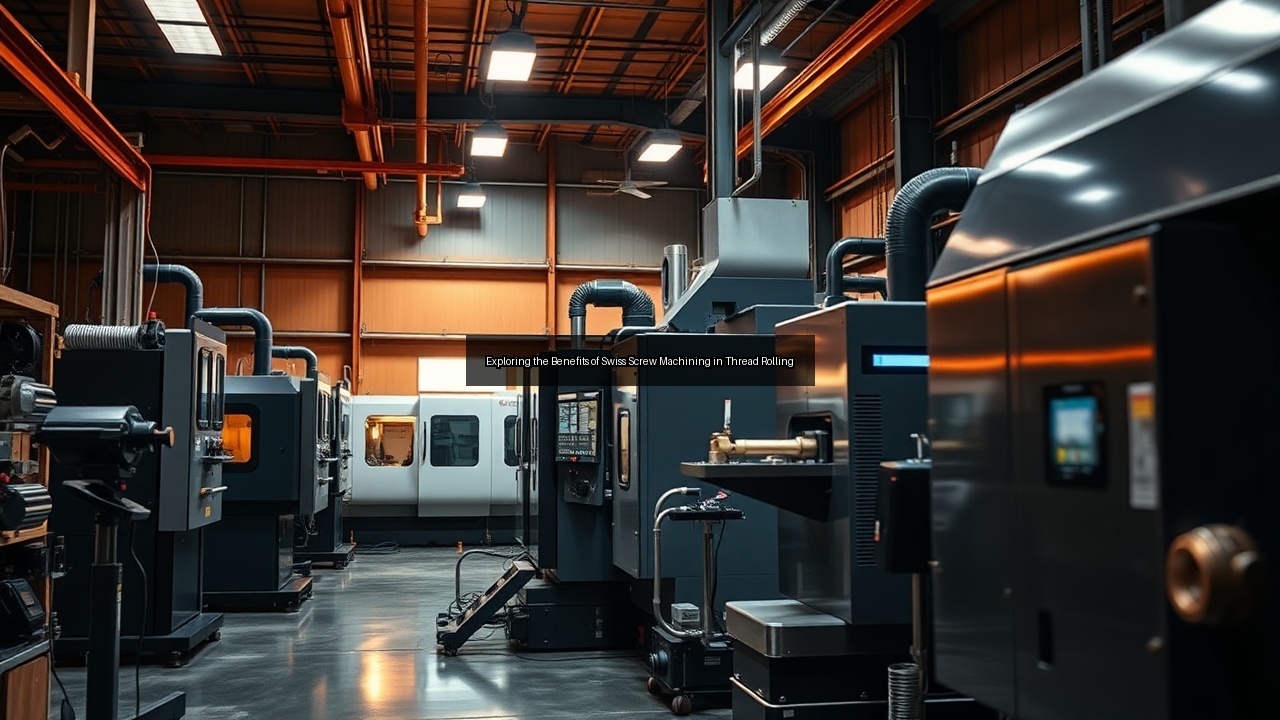
Understanding Thread Rolling Services in Manufacturing
What is Thread Rolling?
Thread rolling forms threads on metal parts through cold forming rather than cutting. Manufacturers feed wire or bar stock between hardened dies that displace material into precise threads. This process strengthens the fastener because grain flow follows the thread contour instead of being severed. Thread rolling services handle high volumes of fasteners, bolts, and studs used across military, aerospace, and oil and gas sectors. The method works on various metals including stainless steel, titanium, and alloy steels. Unlike thread milling or thread casting, rolling produces smoother surfaces and tighter tolerances without generating chips. Companies in Wisconsin often combine thread rolling with screw machine operations to deliver complete screw machined components ready for assembly.
Benefits of Using Thread Rolling Services
Reliable thread rolling services deliver stronger threads with improved fatigue resistance. The cold-working action increases tensile strength by up to 20 percent compared with cut threads. Surface finish improves because no tool marks remain from grinding or machining. Production speeds rise dramatically since a single pass creates complete threads on multiple parts. Inventory managers appreciate the consistency because rolled threads maintain uniform pitch and major diameters across large batches. Reduced scrap rates lower material costs and keep stock levels predictable. Thread rolling also supports secondary operations such as knurling or drilling on the same machine, streamlining workflows from raw wire to finished fastener.
Applications in Various Industries
Aerospace manufacturers rely on thread rolling services for critical engine mounts and landing-gear bolts that endure extreme vibration. Oil and gas operators use rolled threads on drill-string components and valve stems where leak-tight seals prevent costly downtime. Military contractors specify rolled threads on weapon-system fasteners because the process meets strict strength and traceability requirements. Automotive plants order high volumes of rolled studs for suspension and transmission assemblies. Even medical-device firms employ precision thread rolling on titanium implants. Each sector benefits from shorter lead times and lower inventory buffers when dependable rolling services maintain steady supply of high-quality threaded parts.
The Technology Behind Thread Rolling
CNC Machining vs. Traditional Methods
Modern CNC machining centers integrate thread rolling heads that allow one setup to perform turning, drilling, and threading. Traditional flat-die machines still handle long runs of simple fasteners, yet CNC platforms offer quick changeovers for short batches. Operators program thread pitch, length, and diameter directly from CAD files, eliminating manual adjustments common in older screw machine lines. Swiss screw machining cells combine thread rolling with live tooling to produce complex parts complete in a single cycle. The result is tighter process control and fewer secondary operations, which directly reduces work-in-process inventory on the shop floor.
The Role of EDM in Thread Rolling
EDM machining creates precise dies and form rolls used in thread rolling services. Wire EDM cuts intricate thread profiles into carbide tooling with tolerances under 0.0002 inches. This accuracy ensures every rolled thread meets specification without trial runs that waste material. EDM also repairs worn dies quickly, keeping production lines running and protecting delivery schedules. Manufacturers that pair thread rolling with in-house EDM machining shorten lead times and maintain tighter quality loops. The combination proves especially valuable for aerospace and military parts that demand documented traceability from raw metal through final inspection.
Comparing Thread Rolling to Other Threading Techniques
Thread milling removes material with a rotating cutter and leaves visible tool marks that can initiate fatigue cracks. Thread casting works for low-strength plastics but fails under high loads common in oil and gas equipment. Grinding produces accurate threads yet generates heat that can distort hardened metals. Thread rolling displaces material at room temperature, preserving mechanical properties while achieving superior surface finishes. Knurling and thread rolling often appear together on the same part when grip features and fastening threads are required. Overall, rolling services deliver faster cycle times and stronger threads than competing methods, helping manufacturers keep finished-goods inventory leaner.
Streamlining Inventory Management with Thread Rolling
Optimizing Inventory with Reliable Services
Consistent thread rolling services allow purchasing teams to reduce safety stock because lead times become predictable. When a supplier maintains rolling capacity for multiple diameters and pitches, buyers order smaller quantities more frequently without risking stockouts. Real-time production data shared by the rolling partner feeds ERP systems, enabling accurate demand forecasting. Aerospace firms have cut average fastener inventory by 30 percent after switching to rolling services that guarantee weekly deliveries. Oil and gas contractors similarly reduced threaded-component buffers once rolling capacity aligned with rig schedules. The outcome is lower carrying costs and reduced obsolescence risk across the supply chain.
Reducing Waste and Improving Efficiency
Thread rolling generates no chips, unlike CNC milling or turning operations that remove up to 40 percent of the original bar stock. Less scrap means fewer raw-material purchases and smaller recycling streams. Because rolled threads require no subsequent grinding or deburring in most cases, secondary operations shrink and throughput rises. Manufacturers report 15 percent higher machine utilization after moving threading work to dedicated rolling lines. These efficiency gains translate directly into lower work-in-process inventory and faster turns of finished fasteners. The environmental benefit of reduced metal removal also supports corporate sustainability targets without extra capital investment.
Case Studies: Successful Inventory Management in Aerospace and Oil & Gas
An aerospace supplier in the Midwest consolidated three thread milling vendors into one thread rolling service provider. Weekly kanban deliveries of rolled titanium bolts replaced monthly bulk orders, cutting on-hand inventory from 12 weeks to four weeks while maintaining 99.8 percent on-time delivery. In the oil and gas sector, a Houston fabricator adopted rolled threads on high-pressure valve stems. The rolling partner maintained an on-site die library for 18 thread sizes, enabling next-day replenishment. Valve assembly line stoppages dropped 70 percent, and safety stock of critical fasteners fell by half. Both examples illustrate how reliable thread rolling services synchronize supply with production schedules and shrink overall inventory investment.
Choosing the Right Thread Rolling Service Provider
Key Factors to Consider When Selecting a Manufacturer
Capacity for both long and short runs matters because aerospace programs often need small lots while oil-field equipment demands volume. In-house die manufacturing via EDM or wire EDM shortens lead times for new thread forms. Certifications such as AS9100 and API Q1 demonstrate process discipline required by military and energy customers. Geographic proximity reduces freight costs and supports just-in-time deliveries. Finally, transparent quality metrics and lot traceability give inventory planners confidence that incoming threads will meet specifications without incoming inspection delays.
Evaluating American vs. International Services
American thread rolling services typically offer shorter lead times and easier communication for defense and aerospace programs that require domestic sourcing. Domestic suppliers also respond faster to engineering changes because dies and tooling remain under one roof. International rolling services may quote lower piece prices yet introduce longer transit times and currency fluctuations that complicate inventory planning. Many manufacturers maintain dual sources, using American capacity for critical fasteners and overseas partners for commodity grades. This hybrid approach balances cost against supply reliability while protecting against tariff or shipping disruptions.
The Importance of Quality Control in Thread Rolling
Thread rolling services that invest in in-process monitoring catch pitch-diameter deviations before parts leave the machine. Automated vision systems measure flank angles and root radii on every tenth part, feeding data back to CNC controls for real-time adjustments. Statistical process control records allow customers to verify capability indices above 1.67 on critical dimensions. Such rigor reduces incoming rejection rates and prevents line stoppages that inflate safety stock. Quality documentation also satisfies audit requirements from military and oil and gas end users who trace every fastener batch back to the rolling operation.
Future Trends in Thread Rolling and Inventory Management
Innovations in Thread Rolling Technology
Next-generation rolling machines incorporate servo-driven dies that adjust forming pressure dynamically based on material hardness. This capability allows one machine to handle both soft aluminum and hardened steels without die changes. Additive-manufactured die inserts now permit rapid prototyping of new thread profiles in days instead of weeks. These advances expand the range of parts that thread rolling services can produce, further displacing thread milling and grinding from production floors. Manufacturers adopting the latest equipment report additional inventory reductions because setup times drop and schedule flexibility rises.
The Impact of Automation on Inventory Management
Automated guided vehicles now move wire coils directly from receiving to rolling cells, eliminating manual handling delays. Robotic part unloaders feed finished fasteners into vision inspection stations that update ERP inventory records in real time. Predictive maintenance algorithms forecast die wear and schedule replacements before defects appear, protecting delivery commitments. The combined effect shrinks buffer stock requirements because variability in both quality and timing decreases. Companies that integrate automated thread rolling lines see measurable improvements in inventory turns and working-capital efficiency.
Sustainable Practices in Thread Rolling Services
Thread rolling consumes less energy than machining because no material is removed and coolant volumes drop significantly. Many American providers now recycle 100 percent of their process fluids and use biodegradable lubricants. Suppliers that track carbon output per thousand fasteners help customers meet Scope 3 emissions reporting. Sustainable practices also reduce disposal costs that previously factored into piece prices. As more manufacturers prioritize environmental performance, thread rolling services that demonstrate closed-loop material flows gain preference and support long-term inventory strategies built on responsible sourcing.